Featured
Some Known Facts About Documents You'll Need for Debt For...
Unknown Facts About Community-Based The Emotional Afterma...
Things about Economic Uncertainty Impacting How More Amer...

How Everything to Expect Throughout the Student Loans & D...

Facts About Community-Based Fee Waivers and Discounts for Bankruptcy Counseling: Who Qualifies? Programs Compared Revealed
Table of Contents
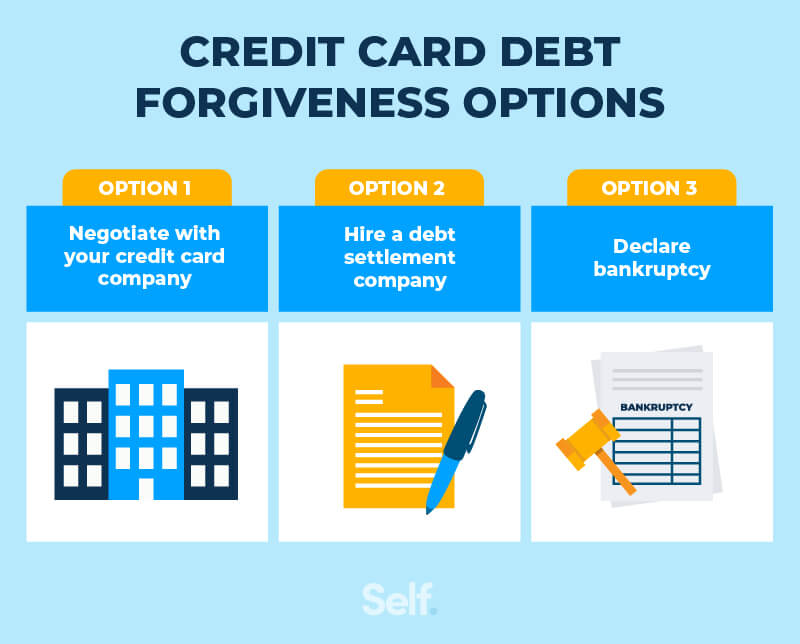
That maximizes cash in the short-term, and you may have three to 4 years to save toward the negotiation amount. Really unsafe to credit report, primarily due to missed out on payments and an adverse "resolved" mark that can remain on your credit report for approximately seven yearsMay be only option if various other options (financial obligation loan consolidation, equilibrium transfer bank card, debt mercy) aren't possibleTypically needs a fee to the 3rd party, which can counter some or all of the cost savings from financial obligation settlementMay assist you stay clear of personal bankruptcy if you have actually missed out on numerous paymentsNot all creditors deal with financial debt settlement companies Debt forgiveness might be appropriate for you if you are experiencing a monetary challenge that makes it virtually impossible to pay for your debt balances.
With a DMP, you make one regular monthly repayment to the credit rating therapy company. Those funds are then distributed to financial institutions of your unsecured financial obligations, such as credit scores cards and installment financings. The agency functions with your lenders to decrease rates of interest or waive charges, yet some financial institutions might reject such giving ins.
It can assist you pay down financial debt if you're able to safeguard a funding price that's reduced than the ordinary rate of the accounts you're settling. You have to refrain from racking up financial debt on those freshly cleared accounts or your financial debt could expand also greater.

These cards frequently supply a 0% interest initial period of up to 21 months. That offers you lots of time to get rid of or substantially minimize your equilibrium while making interest-free payments. For some people dealing with insurmountable debt, bankruptcy may be the only method to quit collection proceedings and legally solve their financial debts.
The 2-Minute Rule for Inflation Impacting Growing Need for Fee Waivers and Discounts for Bankruptcy Counseling: Who Qualifies?
You may require it if your creditor or a collection firm ever tries to collect on the financial obligation in the future. When a loan provider forgives $600 or more, they are required to send you Form 1099-C.
Financial debt forgiveness or negotiation usually injures your credit scores. Anytime you clear up a financial obligation for less than you owe, it might show up as "settled" on your credit report and influence your credit history for seven years from the day of negotiation. Your credit can additionally drop substantially in the months causing the forgiveness if you drop behind on settlements.
The Basic Principles Of No-Cost Accessible Fee Waivers and Discounts for Bankruptcy Counseling: Who Qualifies? Workshops Available to You
This scenario typically results from underreporting income, not submitting returns on time, or discrepancies found throughout an IRS audit. The consequences of building up tax obligation financial debt are serious and can include tax obligation liens, which offer the IRS a legal case to your building as protection for the financial debt.
Earnings and Bank Accounts Internal revenue service can levy (take) earnings and financial institution accounts to satisfy the financial debt. Residential or commercial property Seizure In severe cases, the IRS can confiscate and offer residential property to cover the financial debt.
Clinical depression, stress and anxiety, and various other mental health concerns. Social Preconception Encountering lawsuit from the internal revenue service can lug social preconception. Damage to track record and partnerships. Work Opportunities An inadequate credit history as a result of tax financial debt can restrict employment possibility. Trouble searching for or keeping a work. Government Advantages Tax financial debt might impact eligibility for federal government benefits, such as Social Protection and Medicaid.
The 45-Second Trick For Your First Step to Fee Waivers and Discounts for Bankruptcy Counseling: Who Qualifies? and What to Bring
The OIC takes into consideration a number of factors, consisting of the taxpayer's earnings, expenditures, property equity, and capability to pay. Successfully working out an OIC can be complex, needing a detailed understanding of the internal revenue service's guidelines and a solid debate for why your offer lines up with your capacity to pay. It is essential to keep in mind that not all applications are accepted, and the process requires thorough monetary disclosure.
The IRS evaluates your general monetary circumstance, including your revenue, costs, possession equity, and capacity to pay. You have to additionally be present with all declaring and settlement needs and not be in an open insolvency proceeding. The internal revenue service likewise considers your conformity history, evaluating whether you have a record of prompt declaring and paying taxes in previous years.
The Ultimate Guide To Evaluating Debt Forgiveness Organizations to Find the Right Partner
The application process for a Deal in Compromise includes numerous comprehensive actions. You must complete and submit IRS Kind 656, the Deal in Concession application, and Kind 433-A (OIC), a collection info declaration for people. These types need detailed monetary information, consisting of information regarding your earnings, debts, expenses, and assets.
Back tax obligations, which are unsettled taxes from previous years, can substantially enhance your total internal revenue service debt if not attended to quickly. This financial debt can build up rate of interest and late payment fines, making the original quantity owed much larger with time. Failing to pay back taxes can lead to the internal revenue service taking enforcement activities, such as releasing a tax obligation lien or levy against your home.
It is essential to deal with back tax obligations asap, either by paying the sum total owed or by organizing a layaway plan with the IRS. By taking positive steps, you can avoid the buildup of additional rate of interest and penalties, and protect against more aggressive collection actions by the IRS.
One common factor is the idea that the taxpayer can pay the total either as a lump amount or with a payment strategy. The internal revenue service additionally takes into consideration the taxpayer's revenue, expenditures, property equity, and future earning potential. If these variables suggest that the taxpayer can pay for to pay even more than the used quantity, the IRS is likely to reject the offer.
The Single Strategy To Use For Ways to Take Action Today
Dealing with Internal revenue service financial obligation can be complicated and complicated. Tax obligation experts, such as Certified public accountants, tax lawyers, or enlisted representatives, can provide important support.

Table of Contents
Latest Posts
Some Known Facts About Documents You'll Need for Debt Forgiveness.

Unknown Facts About Community-Based The Emotional Aftermath of Debt: Integrating Mental Health into Financial Counseling Organizations Explained

Things about Economic Uncertainty Impacting How More Americans Need Are Seeking Debt Forgiveness
More
Latest Posts
Some Known Facts About Documents You'll Need for Debt Forgiveness.
Things about Economic Uncertainty Impacting How More Americans Need Are Seeking Debt Forgiveness